

Skip to content

Phil Maher · Conferences / Podcasts / Workshops

Bring the builder
to your AI stage.

Give your audience a look inside the work: training a model for a specific visual world, building financial systems in Rust, and getting AI into daily operations. Phil brings the projects, the engineering decisions and the lessons your audience can use.

Phil Maher
Phil MaherAIAdvocate · AI implementation consultant
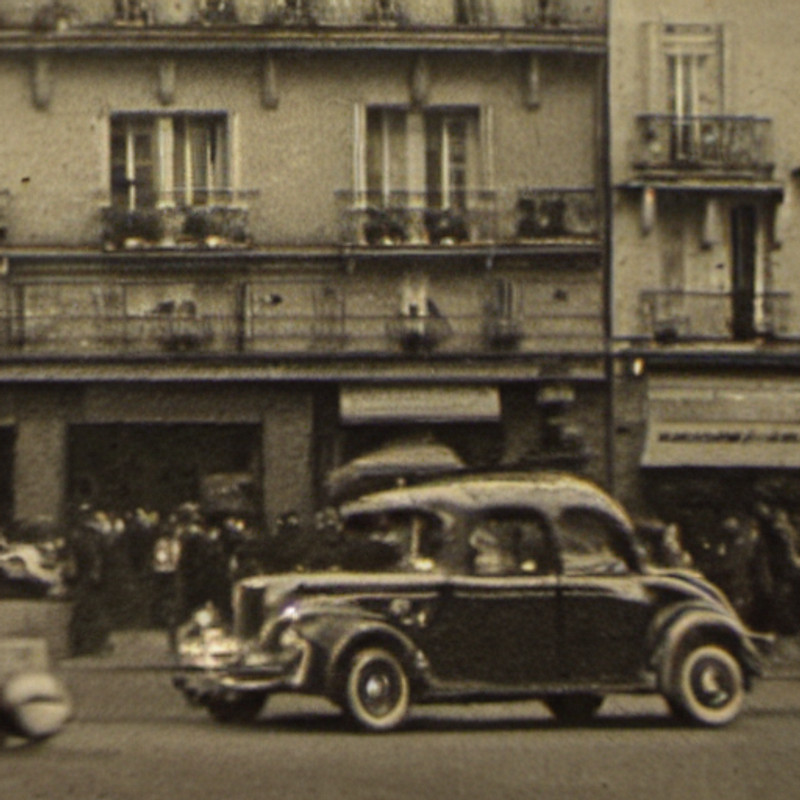
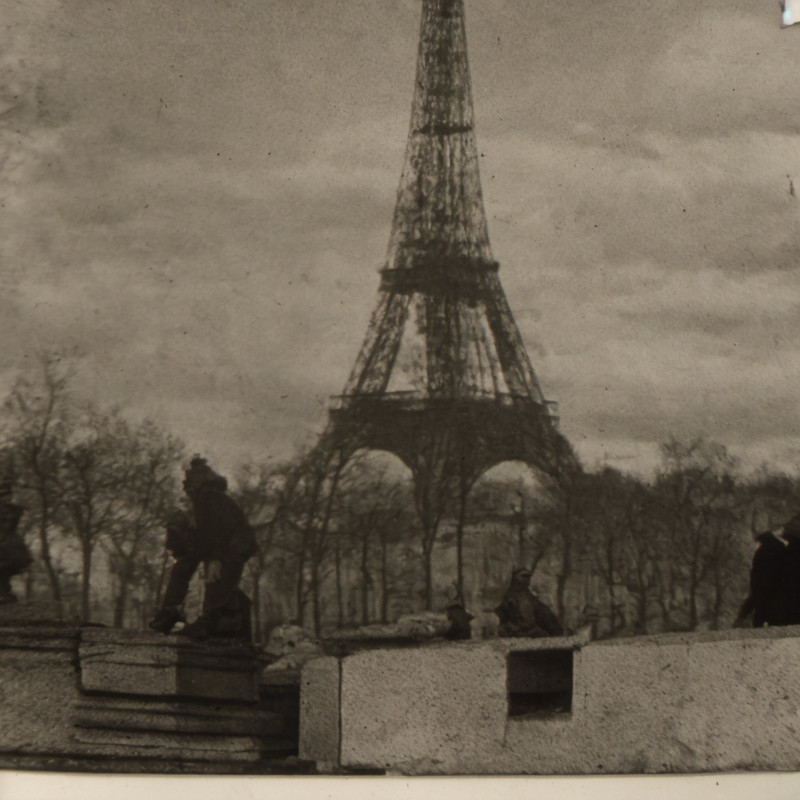
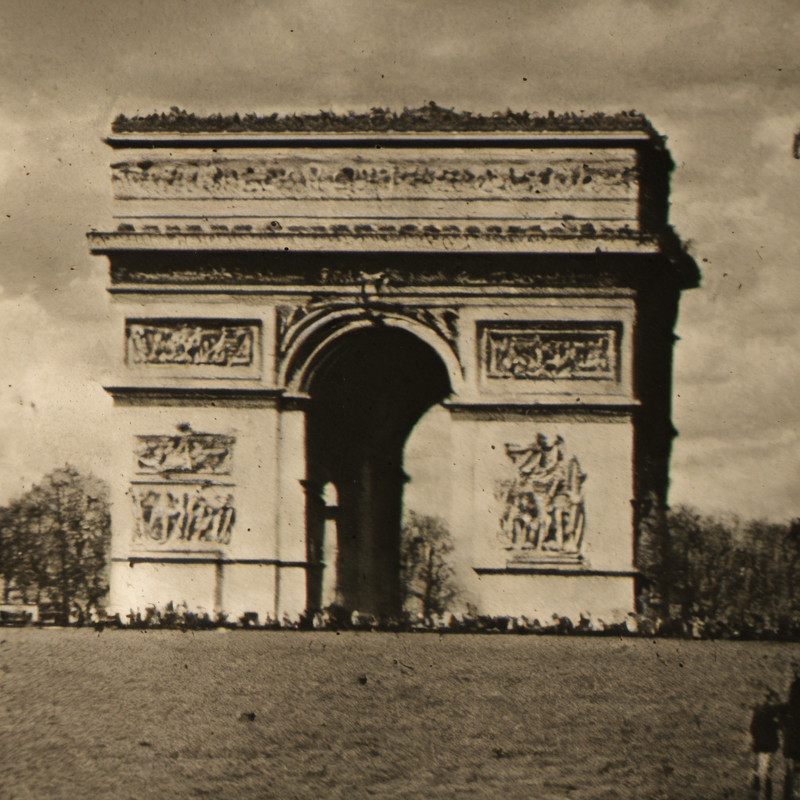
AI-generated Paris scene from Phil’s SD2.1 LoRA release AI-generated Paris scene from Phil’s SD1.5 LoRA release
TRAINED BY REPLICANTARMY1947 Paris · Published model examples

AI-generated examples from Phil’s Civitai releases. Explore all four training approaches below.

30+years building software
4published Paris model variants
6featured portfolio builds
5original project repositories

01 / Model training you can see

One visual world.
Four ways to train it.

Phil’s ReplicantArmy releases explore a specific target: the look of 1947 Paris. The model descriptions document training on more than 2,200 archival images. These examples make the choices behind fine-tuning tangible.

REPLICANTARMY / CIVITAI MODEL 405790

1947 Paris France
SD2.0/2.1 LoRA

A compact adaptation for a defined place, period and image style. This release is listed on SD2.1 768; its version notes describe testing across SD2.0 and SD2.1 base variants.

Approach
LoRA adaptation
Listed base
SD 2.1 768
Published
April 17, 2024
Trigger
1947-Paris-France
Explore this model on Civitai

REPLICANTARMY / CIVITAI MODEL 395798

1947 Paris France
SD1.5 LoRA

The same narrow visual subject, adapted for the SD1.5 ecosystem. A useful starting point for a discussion about choosing a base model and deciding what a specialized adapter needs to learn.

Approach
LoRA adaptation
Listed base
SD 1.5
Published
April 11, 2024
Trigger
1947-Paris-France
Explore this model on Civitai

REPLICANTARMY / CIVITAI MODEL 404109

1947 Paris France
SD1.5 checkpoint

A checkpoint release brings a different packaging and deployment choice to the same creative problem. Phil can use the examples to explain when a full model artifact fits a workflow and what teams should evaluate before adopting it.

Approach
Checkpoint
Listed base
SD 1.5
Published
April 16, 2024
Subject
1947 Paris France
Explore this model on Civitai

REPLICANTARMY / CIVITAI MODEL 392240

1947 Paris France
SD1.5 hypernetwork

Another adaptation method in the series, published before the LoRA and checkpoint releases. Together, the four artifacts give a technical audience concrete examples to discuss compatibility, control and the cost of specialization.

Approach
Hypernetwork
Listed base
SD 1.5
Published
April 9, 2024
Subject
1947 Paris France
Explore this model on Civitai

Define what the model should learn.

Turn “make it look right” into a specific training objective, then examine the examples for what they capture and what they miss.

Make the dataset part of the talk.

Discuss selection, consistency and the limits of archival reference material. Give the audience questions they can apply to their own data.

Choose an approach with a purpose.

Use LoRA, checkpoint and hypernetwork releases to explain how model choices affect integration, iteration and creative control.

These are generated samples from the published model galleries. They illustrate the models’ visual output; they are not evidence of historical events. Training details are attributed to the release descriptions. See the ReplicantArmy model profile ↗

02 / Financial systems & HFT

What happens when
the system has to perform?

For a technical conference or finance podcast, Phil can connect specialized model work to the architecture around it: data, evaluation, execution, telemetry and the decision to release a change.

Specific models.
Specific client requirements.

Phil’s work includes fine-tuning models for specific financial and high-frequency trading client requirements. He can speak to the engineering questions behind that work: defining the task, evaluating on relevant data and fitting the model into an operational system.

Ferrix provides a detailed public architecture to explore alongside that experience. Its Rust design separates live execution from an evolutionary optimization loop, with telemetry and out-of-sample evaluation connecting the two.

  • Why a narrow objective makes model evaluation more useful.
  • How walk-forward testing and a permanent holdout help expose overfitting.
  • Why position ownership, persistence and safe release gates matter as much as an optimizer’s score.
Discuss a finance or engineering session
FerrixRUST / EVENT-DRIVEN ARCHITECTURE

Live execution loop

01 / EVENTSMigration stream & discovery
02 / CHECKSConcurrent safety & tradability checks
03 / POSITIONSActor-owned position management
04 / STATEExecution & SQLite persistence

Separate optimization loop

01 / TELEMETRYDeterministic evaluation data
02 / SPLITSTraining, walk-forward & holdout
03 / SEARCHEvolutionary parameter optimization
04 / PROMOTIONSafety & out-of-sample gates

The published design reserves the newest 5% of data as a permanent holdout and uses embargoed walk-forward folds. Accepted candidates trigger a controlled restart after active positions and processing have cleared.

Read the Ferrix repository overview

Ferrix’s optimization loop searches strategy parameters. The Civitai releases adapt image models. These examples give audiences two distinct ways to discuss training, evaluation and deployment. Client sessions can cover engineering methods without identifying private clients or disclosing their models.

03 / The portfolio behind the conversation

Six builds.
Plenty to ask about.

Every project featured on AIAdvocate’s Work page has a place here. Pick the ones that fit your audience, from archive intelligence and creative AI to financial simulation and legal workflows.

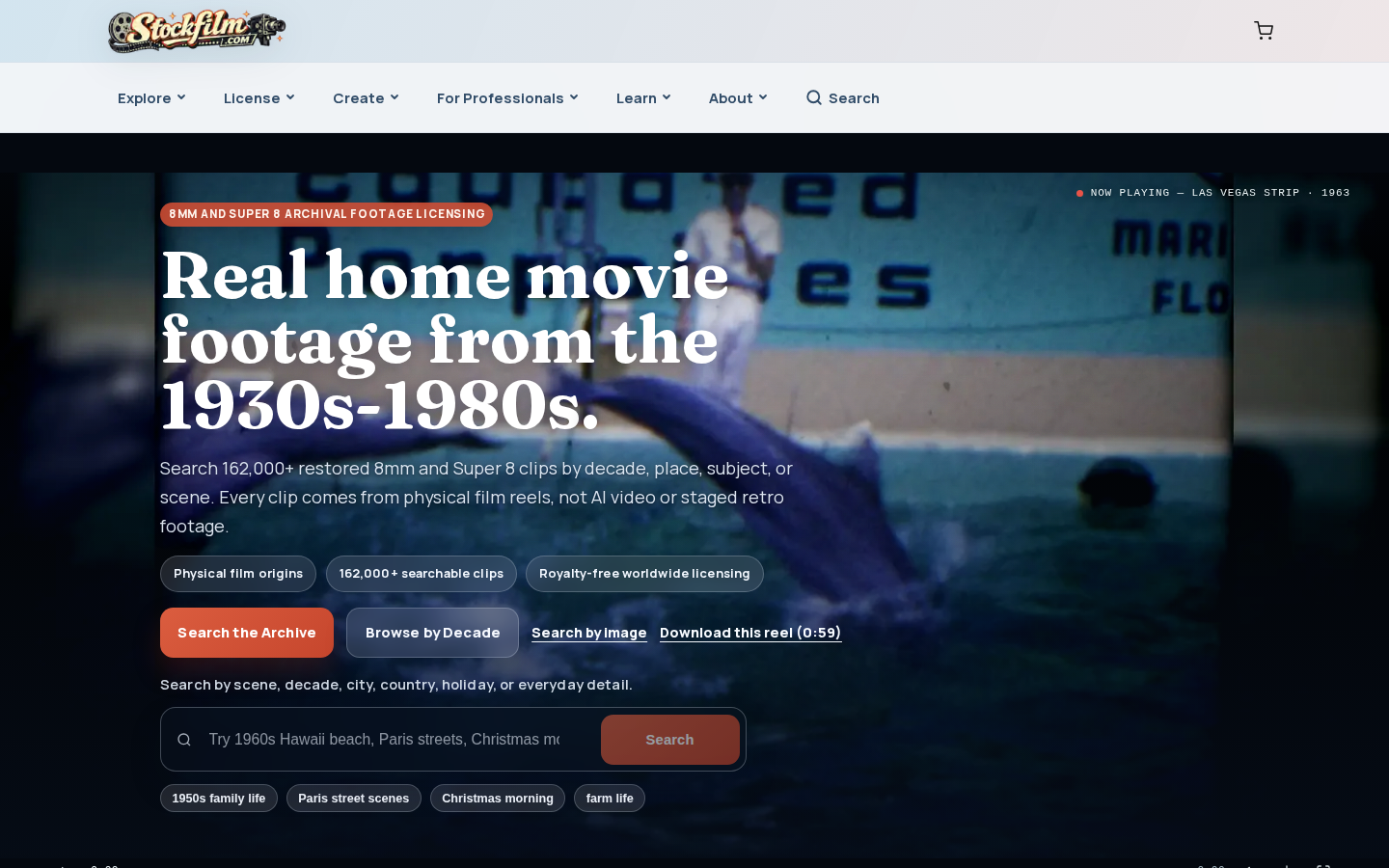
Stockfilm archive search and footage website

Visual search / Agents / Production AI

Stockfilm

An archival footage platform with visual embeddings, custom SigLIP2 classifiers, AI-assisted project briefs and rough cuts. Its workflows connect archive enrichment, review, licensing and delivery.

Audience takeaway: How to turn a large media collection into a useful product, with validation and human review at the points that need them.

Explore Stockfilm ↗
Ferrixmigration events → safety checksposition actors → executiontelemetry → walk-forward evaluationcandidate → gated promotion

Rust / HFT / Optimization

Ferrix

An event-driven Rust trading architecture for Solana token migrations. Live position management runs separately from a telemetry-driven optimizer, with holdout scoring and controlled promotion.

Audience takeaway: How to design a system that can search for improvements while maintaining clear ownership of live state and release decisions.

Explore the Ferrix architecture ↗
ReplayState execution simulation website

Replay / Simulation / Reproducibility

ReplayState

Historical Solana slot replay and Monte Carlo execution scenarios for examining inclusion, slippage and MEV exposure. Seeded runs and signed manifests make results easier to reproduce and compare.

Audience takeaway: How to test decisions against execution conditions, rather than judging a strategy only by its idealized output.

Explore ReplayState ↗
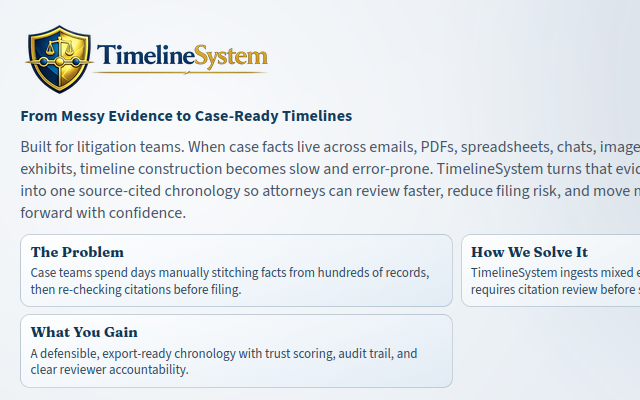
TimelineSystem legal chronology website

Legal workflows / Evidence / Access

TimelineSystem

A legal chronology workflow that keeps events connected to source evidence and context, with exports and access controls built around the work of reviewing a case.

Audience takeaway: Why useful automation preserves the link between a conclusion and the material a professional must verify.

Explore TimelineSystem ↗
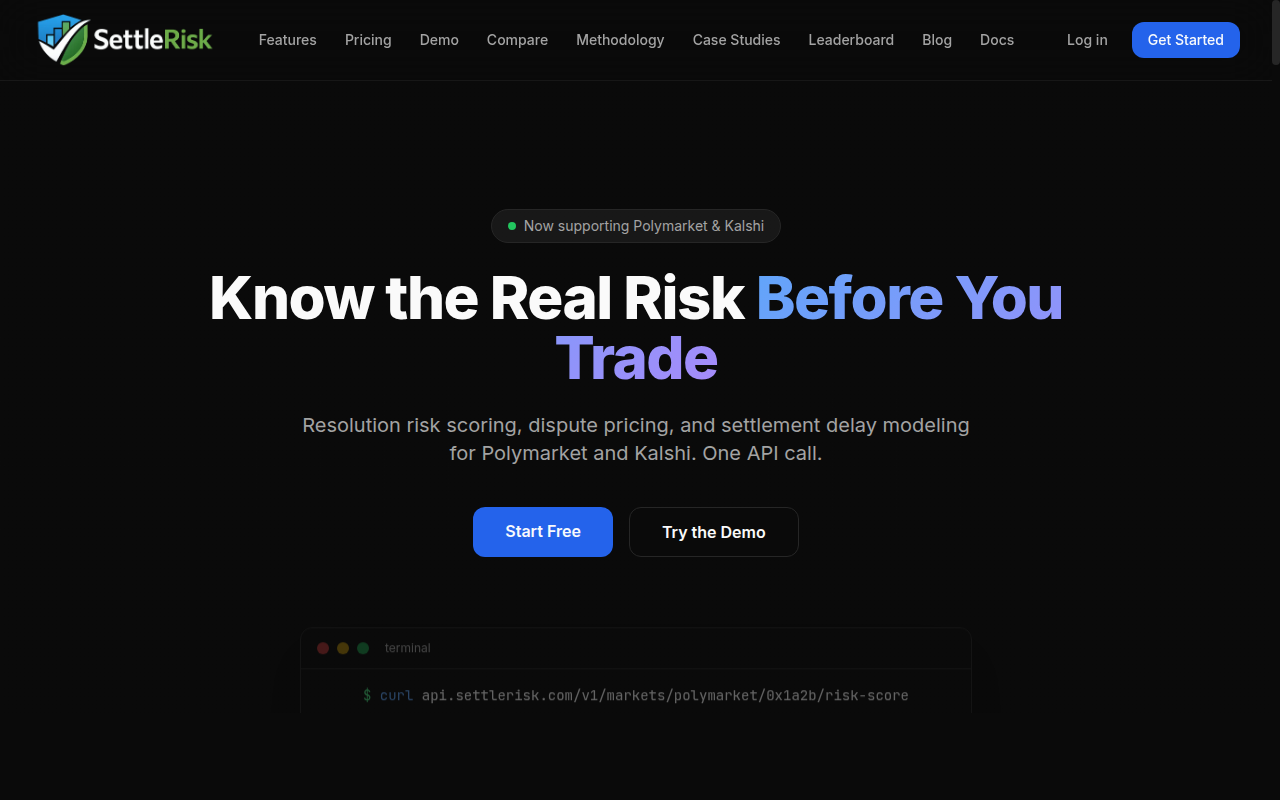
SettleRisk prediction market risk website

Rust / Prediction markets / Risk

SettleRisk

A Rust-based prediction market risk service focused on resolution rules, disputes and settlement delays. The product brings the mechanics behind a market into the decision-making process.

Audience takeaway: How domain-specific risk can shape a data product, its API and the questions users need answered.

Explore SettleRisk ↗
LatLongAgo historical panorama guessing game

Generative AI / History / Interactive media

LatLongAgo

A place-and-year guessing game built around AI-generated historical panoramas. Its content pipeline and game modes turn a specialized visual concept into an experience people can explore.

Audience takeaway: How to move from generated images to a complete product, with content choices, interaction design and clear expectations about synthetic scenes.

Explore LatLongAgo ↗

Project descriptions are based on Phil’s published portfolio. Read the full Work page ↗

Client delivery / Published case studies

Bring the business
questions, too.

For leadership audiences, Phil can connect implementation choices to the work they change: processing documents, finding internal answers, reviewing reports and deciding which projects to fund.

Document processing

75% less
processing time

The published case study reports roughly 30 hours freed each week and an error rate reduced from 8% to under 2%.

Read the case study ↗

Internal knowledge assistant

30–60 minutes
to under 2

A retrieval-assisted workflow made internal information easier to find, with answers linked to source documents.

Read the case study ↗

Operational reporting

15–20 hours
to 2–3

The reporting case describes a shift from manual preparation to a shorter review cycle, with people checking the output.

Read the case study ↗

AI roadmap & vendor review

$150K+
in avoided spend

The portfolio describes two vendor proposals declined and three projects selected for the first implementation phase.

Read the engagement overview ↗

Figures above are outcomes reported in AIAdvocate’s published client case studies and engagement summaries.

04 / Repositories & developer takeaways

Give developers
something to inspect.

Phil’s ReplicantArmy repositories include a TypeScript market-data client, a Python research loader, an MCP integration and detailed financial-system architecture documents.

A technical session can start with an actual interface and follow the decisions behind it: normalized data, tool contracts, reproducibility and the boundary between an assistant and the system it controls.

Browse ReplicantArmy on GitHub ↗
polykalshi / TypeScriptREAD-ONLY MARKET SEARCH
import { UnifiedClient } from 'polykalshi';

const client = new UnifiedClient();
const markets = await client.search('bitcoin');

One client for normalized Polymarket and Kalshi data. Example adapted from the repository’s documented interface.

Ferrix

Rust execution architecture, actor-managed positions, telemetry, evolutionary optimization and out-of-sample promotion gates.

Repository overview ↗

BlockEnvy

Solana slot replay and seeded execution simulations, with signed manifests and execution-risk analysis.

Repository overview ↗

polykalshi

A TypeScript library with a unified market-data interface, normalized types, pagination and retry handling for Polymarket and Kalshi.

Code & examples ↗

stockfilm-mcp

An MCP integration for archive discovery and footage workflows, including search, clip details and rough-cut tools.

Integration & docs ↗

stockfilm-research

A Python loader, sample manifest and citation guidance for a versioned visual research index.

Loader & research docs ↗
Explore 25 community resource and contribution repositories

Phil’s profile also includes forks and repositories used for community resource submissions. These links show the wider collection without attributing the upstream projects to him.

apd-coreCommunity fork · Python
awesome-baseCommunity fork
Awesome-Design-ToolsResource submission repository · JavaScript
awesome-digital-historyResource submission repository · JavaScript
Awesome-Kalshi-ToolsCommunity fork
awesome-mcp-serversCommunity fork
awesome-mcp-servers-1Community fork
awesome-nextjsResource submission repository
awesome-solana-aiCommunity fork
awesome-stock-resourcesResource submission repository · Ruby
awesome-x402Community fork
awesome-x402-1Community fork
Coin-Sniper-BotCommunity fork · Python
creative-resourcesResource submission repository
design-resources-for-developersResource submission repository
openapi-directoryCommunity fork
public-api-listsCommunity fork
public-apisCommunity fork · Python
public-apis-1Community fork · JavaScript
Public-APIs-2Community fork
registryCommunity fork · Go
websiteCommunity fork · TypeScript

Repository directory reviewed October 8, 2026. Ferrix and BlockEnvy are presented through their published architecture overviews. The ReplicantArmy profile repository ↗ completes the public directory.

05 / Choose the conversation

A session built
for your audience.

Use these as starting points for an event brief. Each can become a conference talk, a technical discussion or a podcast episode shaped around the people you want to reach.

AI ENGINEERS / CREATIVE TECHNOLOGISTS

Train for the task you actually have.

Use the Paris releases to unpack dataset choices, base models and LoRA, checkpoint and hypernetwork approaches.

People leave with: A clearer way to define a training objective and decide what evidence would show that an adaptation works.

Choose this topic ↗

FINANCE / RUST / SYSTEMS ENGINEERING

Financial AI beyond the model.

Explore specialized client requirements and the Ferrix architecture: execution, telemetry, walk-forward evaluation and release gates.

People leave with: Concrete questions for assessing overfitting, operational state and the conditions for promoting an improvement.

Choose this topic ↗

CTOS / PRODUCT TEAMS / AI LEADS

RAG, fine-tuning or an API?

Compare approaches through internal knowledge retrieval, specialized image models and production integrations.

People leave with: A decision process grounded in their data, the task, evaluation needs and the cost of operating the solution.

Choose this topic ↗

DEVELOPERS / PLATFORM & AUTOMATION TEAMS

Give an agent tools it can use safely.

Walk through MCP interfaces, archive workflows and the approval and escalation points described in Phil’s production work.

People leave with: A practical way to define tool boundaries, validate output and keep review connected to the underlying action.

Choose this topic ↗

MEDIA / DESIGN / CREATIVE PRODUCT TEAMS

Turn generated media into a product.

Connect the Civitai models, archive intelligence and LatLongAgo’s panoramas to the work of building an experience around AI output.

People leave with: Ways to plan a content pipeline, assess visual consistency and explain the limits of generated historical scenes.

Choose this topic ↗

EXECUTIVES / OPERATIONS / BUSINESS OWNERS

Choose AI work worth shipping.

Use published client cases to discuss workflow selection, vendor review, human oversight and adoption after the demo.

People leave with: A way to choose a first project, define a measurable result and plan for the people who will use it.

Choose this topic ↗
01 / ON STAGE

Conference talk or panel

A focused 30–60 minute session with visual examples, architecture and time for audience questions. Shape the depth around your program.

02 / IN CONVERSATION

Podcast or interview

Follow one project in depth or connect the creative, financial and operational sides of applied AI. Give listeners specific work to explore afterward.

03 / AT THE WORKBENCH

Technical workshop

A longer session around a defined problem: model evaluation, a retrieval workflow, MCP tool design or an implementation plan.

Phil Maher, AI implementation consultant
Phil Maher · AIAdvocate

06 / For producers & organizers

An introduction
you can use.

Phil Maher is an AI implementation consultant and software developer with more than 30 years of experience. Through AIAdvocate, he works across model adaptation, retrieval systems, automation and production architecture. His portfolio includes specialized image models published as ReplicantArmy, Rust financial systems and products for archival media, legal workflows and prediction markets. He speaks about the decisions behind the work: choosing a useful problem, evaluating the result and building a system people can operate.

Planning the appearance

Fit the work to the room.

Can the session suit a nontechnical audience?

Yes. Start with the workflow and the people using it, then use visual examples and client cases to explain the decisions. For an engineering audience, the same material can go deeper into interfaces, evaluation and architecture.

Can we focus on financial AI and HFT?

Yes. Include your audience and preferred depth in the invitation. Ferrix, ReplayState, BlockEnvy, SettleRisk and polykalshi provide concrete material for discussing financial systems, evaluation and execution risk. Client-specific models can be discussed through their engineering methods without naming private engagements.

Can a host explore the work before recording?

Use the project links, four Civitai releases and repository directory above. The bio, photo and implementation playbook are available here, too. Mention the projects that interest you so the conversation can center on them.

How do we arrange a date and format?

Send the event or show name, audience, date or recording window, format and budget if you have one. Scope, availability, travel and fee arrangements are confirmed when discussing the invitation.

Start with your audience

Give them a closer
look at applied AI.

Tell Phil what you’re planning and what you want people to learn. A conference room, a workshop or a podcast can each make use of a different part of the work.

Include your event or show, date, audience and preferred topic. Phil will respond to discuss the fit, availability and arrangements.

Use the general contact page ↗

Your details are used to respond to this invitation. Privacy policy.

Generated model example